


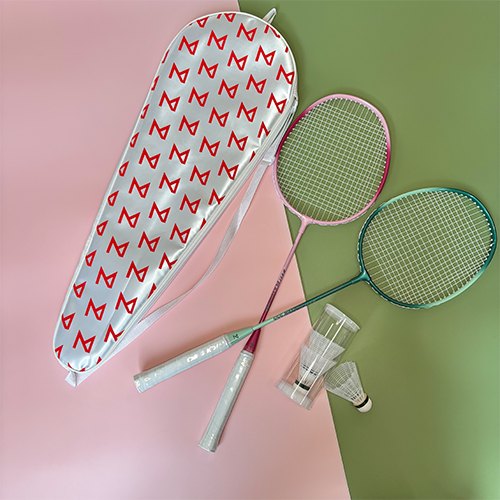
Sports equipment product development is the structured process of turning an idea into a market-ready product that meets athlete needs, supports safe performance, and aligns with manufacturing, compliance, and commercial goals. In today’s competitive sports gear market, brands, distributors, private label businesses, and category managers need a clear development workflow to create products that are durable, functional, cost-effective, and optimized for real-world use.
This guide explains the full sports equipment product development process in a search-friendly, easy-to-scan format. It covers product definition, design stages, material selection, prototyping, testing, manufacturing considerations, packaging, and quality control. The content is written for use in blog posts, category pages, industry pages, and other SEO-focused HTML content that can be placed directly inside a webpage.
Sports equipment product development is the end-to-end process of researching, designing, engineering, testing, validating, and preparing sports products for mass production and commercial sale. It applies to a wide range of items, including training equipment, protective gear, team Sports Accessories, fitness tools, outdoor sports products, and performance-focused gear.
The purpose of sports equipment product development is to create products that satisfy market demand while meeting important standards for performance, durability, safety, and user experience. A well-managed development process helps reduce product defects, improves brand reputation, supports product differentiation, and shortens time to market.
In sports markets, product quality directly affects user trust, return rates, brand reputation, and long-term sales. Poorly designed equipment can lead to safety issues, negative reviews, and costly warranty claims. Strong product development helps brands create reliable products that are suited to specific sports, athlete levels, and environments.
Sports product development also matters because consumer expectations continue to rise. Buyers want lightweight construction, attractive design, functional features, and high-performance materials. At the same time, businesses must manage compliance requirements, sustainability goals, and changing supply chain conditions. A structured development process creates better control across all of these areas.
| Benefit | Description | Business Impact |
|---|---|---|
| Better product-market fit | Products are designed around actual user needs and sport-specific use cases. | Higher conversion rates and stronger demand. |
| Improved product quality | Testing and validation reduce design flaws and material failures. | Lower return rates and fewer complaints. |
| Faster launch readiness | Clear workflows help teams move from concept to production efficiently. | Shorter time to market. |
| Stronger margins | Material and process choices improve cost control. | Better profitability. |
| Brand trust | High-quality products strengthen reputation and repeat purchase behavior. | Long-term customer loyalty. |
Sports equipment product development covers many product groups. Each category has unique performance requirements, material needs, and testing standards. Understanding the category helps define the correct development path.
| Category | Examples | Main Development Focus |
|---|---|---|
| Team sports equipment | Balls, nets, goal accessories, training cones | Consistency, durability, handling, sport compliance |
| Protective gear | Helmets, guards, pads, braces | Impact protection, fit, comfort, certification |
| Fitness equipment | Dumbbells, resistance bands, mats, benches | Load capacity, stability, grip, wear resistance |
| Outdoor sports gear | Trekking poles, hydration items, climbing accessories | Weather resistance, portability, lightweight design |
| Training aids | Agility ladders, speed parachutes, markers | Easy use, flexibility, packability |
| Performance accessories | Gloves, supports, straps, compression items | Fit, breathability, motion support |
Although every project is different, most sports equipment product development programs follow a similar lifecycle. Each stage helps reduce risk and improve product success.
The first stage is understanding the market, target users, competition, and performance expectations. Teams identify who the product is for, where it will be used, what problems it solves, and how it should perform. This step also includes defining price range, target materials, size requirements, and brand positioning.
For SEO and ecommerce planning, product definition is important because it shapes keyword focus, content strategy, and product page structure. A clear product definition also helps engineering and sourcing teams align around the same goals from the beginning.
In the concept stage, teams create initial ideas, sketches, functional concepts, and use-case scenarios. Concepts should account for ergonomics, performance, materials, manufacturing feasibility, and user expectations. The goal is to explore multiple design directions before selecting the most viable option.
Once the concept is selected, the design team develops technical drawings, dimensions, structural details, and material specifications. This stage converts a broad idea into a product that can be built. For sports equipment, engineering decisions often affect weight, strength, flexibility, comfort, grip, and balance.
Prototypes are used to evaluate how the product feels and performs before committing to mass production. A prototype may be simple or advanced depending on the product category. The development team uses prototypes to review dimensions, assembly, function, and user experience.
Testing is a critical part of sports equipment product development. Products should be evaluated for performance, safety, material behavior, durability, and consistency. Results may lead to design changes before production approval.
At this stage, the product is prepared for production. This includes finalizing specifications, tooling, packaging, quality standards, and production instructions. Manufacturing readiness also involves confirming supplier capability and factory process stability.
During production, quality checks are used to verify that products meet the approved standard. Inspections may be performed on raw materials, in-process samples, and finished goods. Strong quality control ensures consistency across the full batch.
Packaging should protect the product, support branding, provide usage information, and meet retail or ecommerce needs. After packaging is approved, the product can be shipped, listed, and marketed.
Sports equipment product development requires a balance of technical and commercial priorities. The following factors often determine whether a product succeeds in the market.
Material choice influences strength, weight, flexibility, cost, comfort, and appearance. Sports products may use metal, plastic, foam, rubber, textile, composite, or hybrid material systems. The right material depends on the sport, usage intensity, weather conditions, and desired lifespan.
Ergonomics is essential in sports products that involve repeated contact with the body or hand. Good ergonomics improves control, reduces fatigue, and increases usability. Product shape, texture, padding, and grip all contribute to a better user experience.
Safety is a major concern in sports equipment product development, especially for protective gear and equipment used in high-impact environments. Many product types require testing against specific standards or performance criteria. Compliance needs vary by region, product type, and intended use.
Durability testing should reflect real-world use. Products may face sweat, friction, heat, UV exposure, drops, compression, repeated loading, or outdoor weather. A durable product performs consistently over time and lowers replacement frequency.
A product may look excellent on paper but still fail if it cannot be produced efficiently. Design teams must consider moldability, stitch complexity, assembly time, waste rate, and quality consistency. Manufacturing feasibility should be checked early to avoid costly redesigns.
Successful sports equipment development includes cost planning from the start. Cost affects material selection, tooling, labor, logistics, packaging, and margin. A product that is too expensive to manufacture may not remain competitive in the market.
Different sports products use different materials depending on the intended performance. The table below gives a general view of material types and typical characteristics.
| Material Type | Typical Properties | Common Use Cases |
|---|---|---|
| Plastic | Lightweight, moldable, cost-effective | Cases, frames, guards, accessories |
| Rubber | Grip, shock absorption, flexibility | Handles, bases, protective elements |
| Metal | Strength, rigidity, load support | Frames, bars, structural components |
| Textile | Breathability, softness, flexibility | Straps, coverings, soft goods |
| Foam | Cushioning, impact absorption, low density | Pads, mats, comfort layers |
| Composite | High strength-to-weight ratio, advanced performance | Rackets, poles, performance gear |
When building a product specification sheet, the following fields are commonly used to define sports equipment clearly and consistently.
| Specification Field | Purpose | Example Consideration |
|---|---|---|
| Product name | Defines the item clearly | Training mat, protective pad, speed ladder |
| Target user | Identifies the intended customer | Beginners, athletes, teams, coaches |
| Use environment | Describes where the product will be used | Indoor gym, outdoor field, wet conditions |
| Dimensions | Ensures proper size and fit | Length, width, height, thickness |
| Weight | Supports handling and portability goals | Lightweight or weighted design |
| Material composition | Defines product structure | Plastic, foam, steel, textile blend |
| Performance target | Identifies required function | Shock absorption, grip, flexibility |
| Testing requirements | Supports validation and quality | Drop test, load test, fatigue test |
| Packaging format | Supports shipping and retail display | Box, bag, carton, hanger pack |
| Compliance notes | Tracks regulatory or standard needs | Regional safety or labeling requirements |
Testing helps determine whether a product is ready for production and use. Different sports products require different test methods, but the following are commonly used across the industry.
These tests evaluate resistance to wear, impact, load, bending, stretching, compression, or repetitive use. Durability testing is especially important for equipment that must survive frequent training or competitive activity.
Protective sports gear often undergoes safety testing to assess impact absorption, stability, and failure behavior. The goal is to reduce risk under expected conditions of use.
Environmental tests examine how products perform under heat, cold, moisture, UV exposure, or other conditions. Outdoor sports equipment must often be tested for weather resistance and long-term material stability.
Functional testing checks whether the product performs its intended job. For example, a training ladder should stay in place and maintain spacing, while a grip product should remain secure and comfortable.
For wearable sports equipment, fit and comfort influence adoption and performance. These tests evaluate sizing, movement, pressure points, ventilation, and usability during activity.
| Test Type | Main Objective | Common Product Examples |
|---|---|---|
| Drop test | Measure resistance to accidental falls | Accessories, rigid gear, equipment cases |
| Load test | Check structural strength under weight | Benches, frames, supports |
| Fatigue test | Evaluate repeated-use performance | Straps, hinges, moving parts |
| Compression test | Measure reaction to pressure | Foam gear, mats, pads |
| Friction test | Assess grip and surface wear | Handles, gloves, footwear-related accessories |
Successful sports equipment product development depends on strong design principles. These principles help teams create products that are practical, appealing, and reliable.
The product should match the movement patterns and needs of the sport. A good design supports the intended activity without unnecessary features that increase cost or complexity.
Many sports products must be light enough for easy use but strong enough to last. This balance is especially important in portable gear and performance equipment.
Users should be able to hold, carry, set up, or wear the product with minimal effort. Clear handling design improves satisfaction and reduces misuse.
Strong seams, joints, surfaces, and fastening systems improve long-term reliability. The design should reduce weak points and support repeated use.
Products that are easy to clean, store, or repair tend to have better lifecycle value. Maintenance considerations should be built into the product from the start.
Packaging is more than a shipping container. In sports equipment product development, packaging supports protection, retail visibility, branding, and consumer understanding. It should be aligned with product size, distribution method, and marketing goals.
| Packaging Type | Best For | Key Advantage |
|---|---|---|
| Retail box | Consumer-facing products | Strong presentation and protection |
| Polybag | Small or soft goods | Low cost and lightweight |
| Hanging card | Store display products | Easy shelf merchandising |
| Mailing carton | Ecommerce shipping | Shipping protection and efficiency |
| Custom insert pack | Premium products | Improved presentation and stability |
Quality control ensures that the final product matches approved specifications. It is one of the most important parts of sports equipment product development because even small defects can affect safety, performance, and customer satisfaction.
Strong quality systems help prevent product variation, identify process problems early, and protect brand credibility. They are especially important for sports products sold at scale across multiple markets.
Developing sports equipment is complex because products must meet technical, commercial, and user expectations at the same time. Common challenges include:
Companies can improve product development outcomes by using a structured workflow and cross-functional collaboration. The best projects combine market insight, engineering discipline, testing, and quality oversight.
If you are creating content around sports equipment product development, related keyword themes can help improve topical relevance. The following terms are commonly associated with this subject:
Sports equipment product development is a multi-step process that transforms ideas into reliable, market-ready products. From market research and concept creation to prototyping, testing, manufacturing, and quality control, each stage plays a critical role in the final outcome. The most successful sports products combine functional design, durable materials, user comfort, safety, and efficient production planning.
For brands, suppliers, and product teams, a structured approach to sports equipment product development helps reduce risk, improve product quality, and increase market competitiveness. Whether the goal is to create training tools, protective gear, or performance accessories, the same core principles apply: understand the user, define the product clearly, test thoroughly, and build for real-world use.
```
This website uses cookies to ensure you get the best experience on our website.


 Español
 Pусский
 Français
 日本語
日本語 한국어
한국어 العربية
 हिन्दी
 Tiếng Việt
 中文
中文



 Phone
Phone
Comment
(0)